Cart
0
You may also like
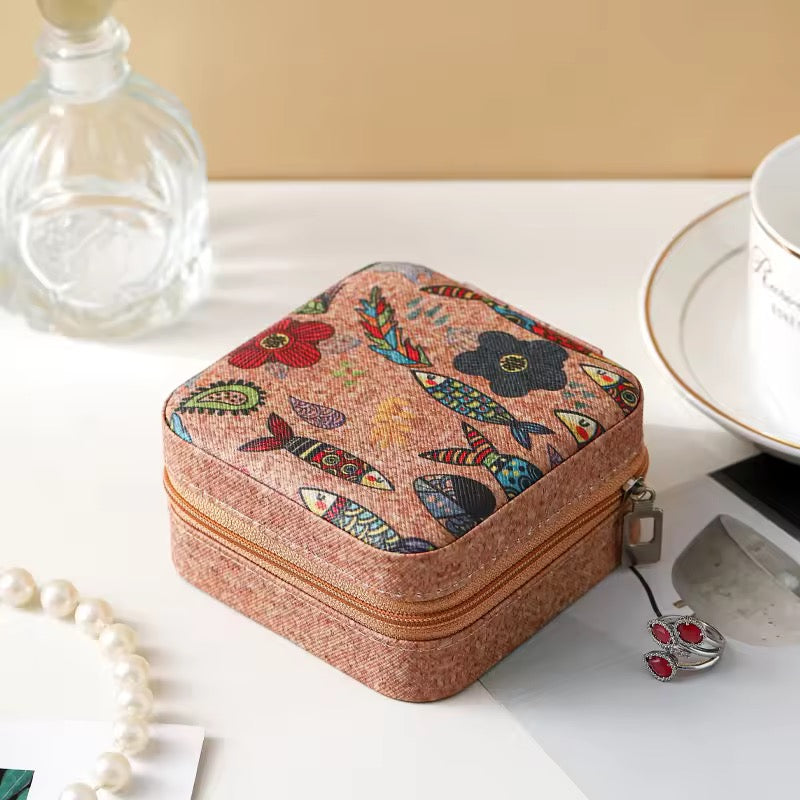
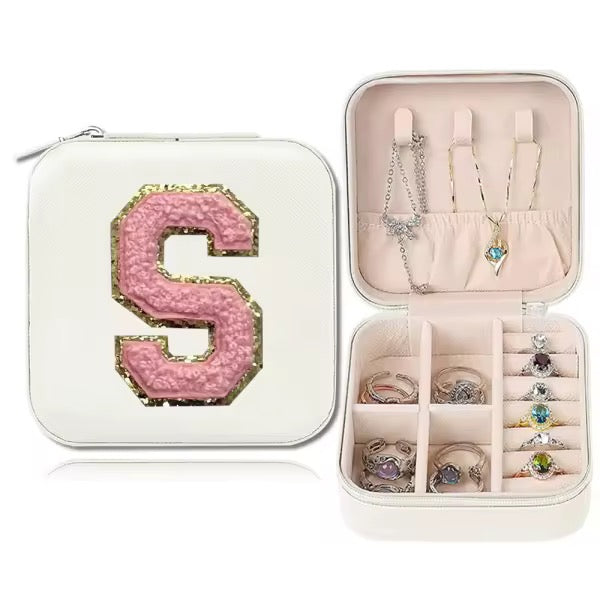
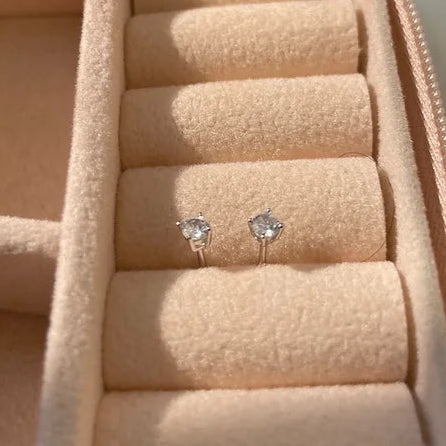
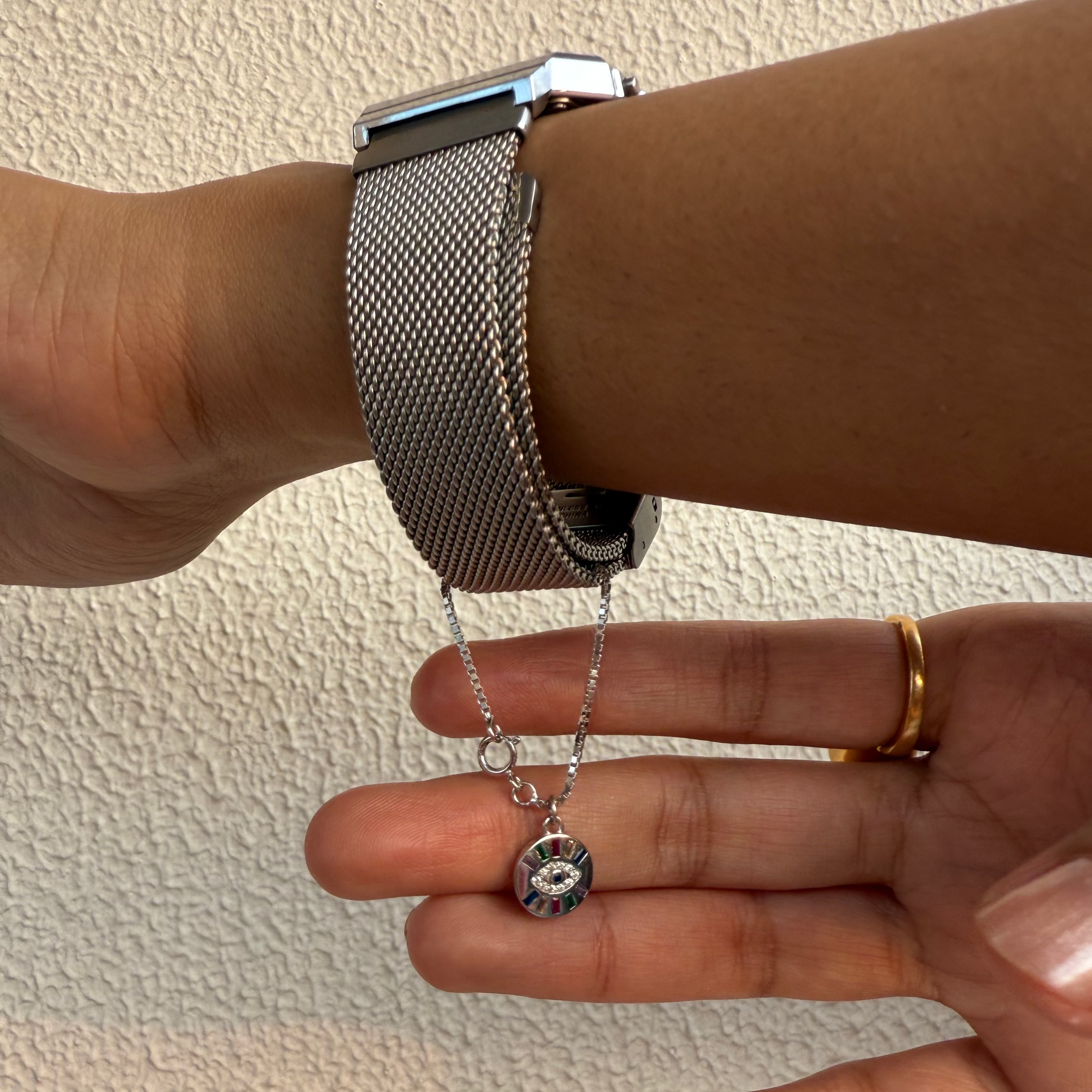
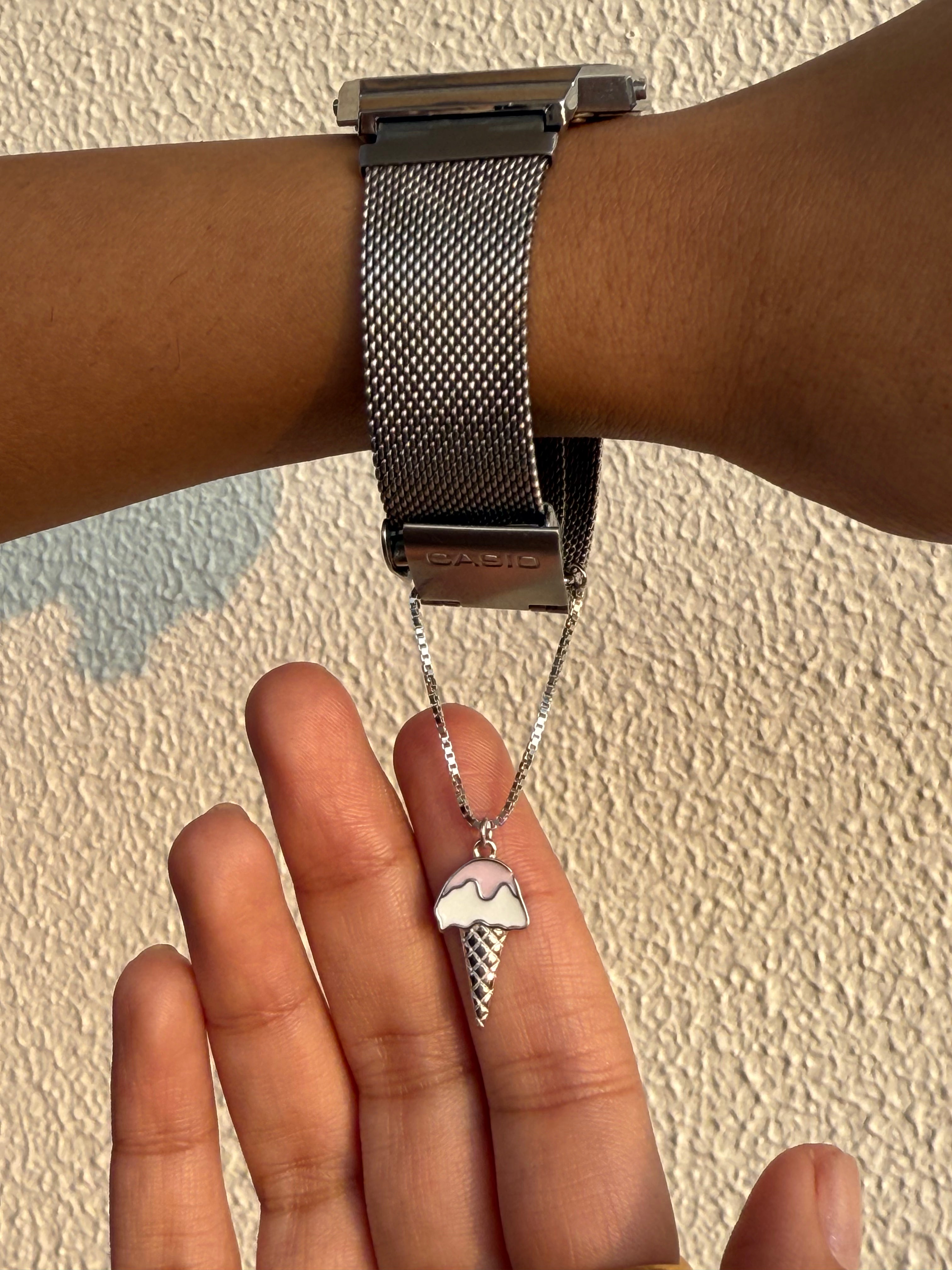
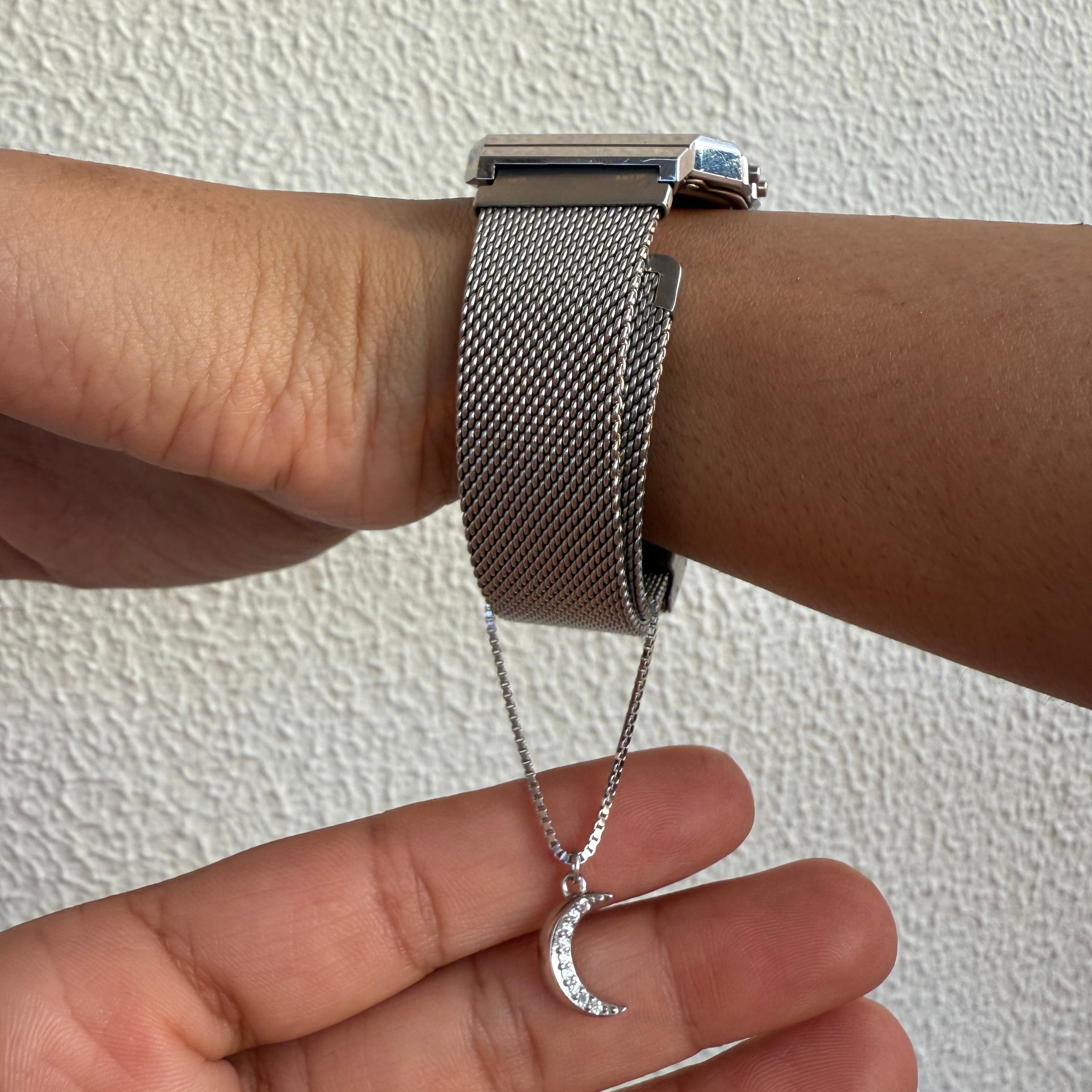
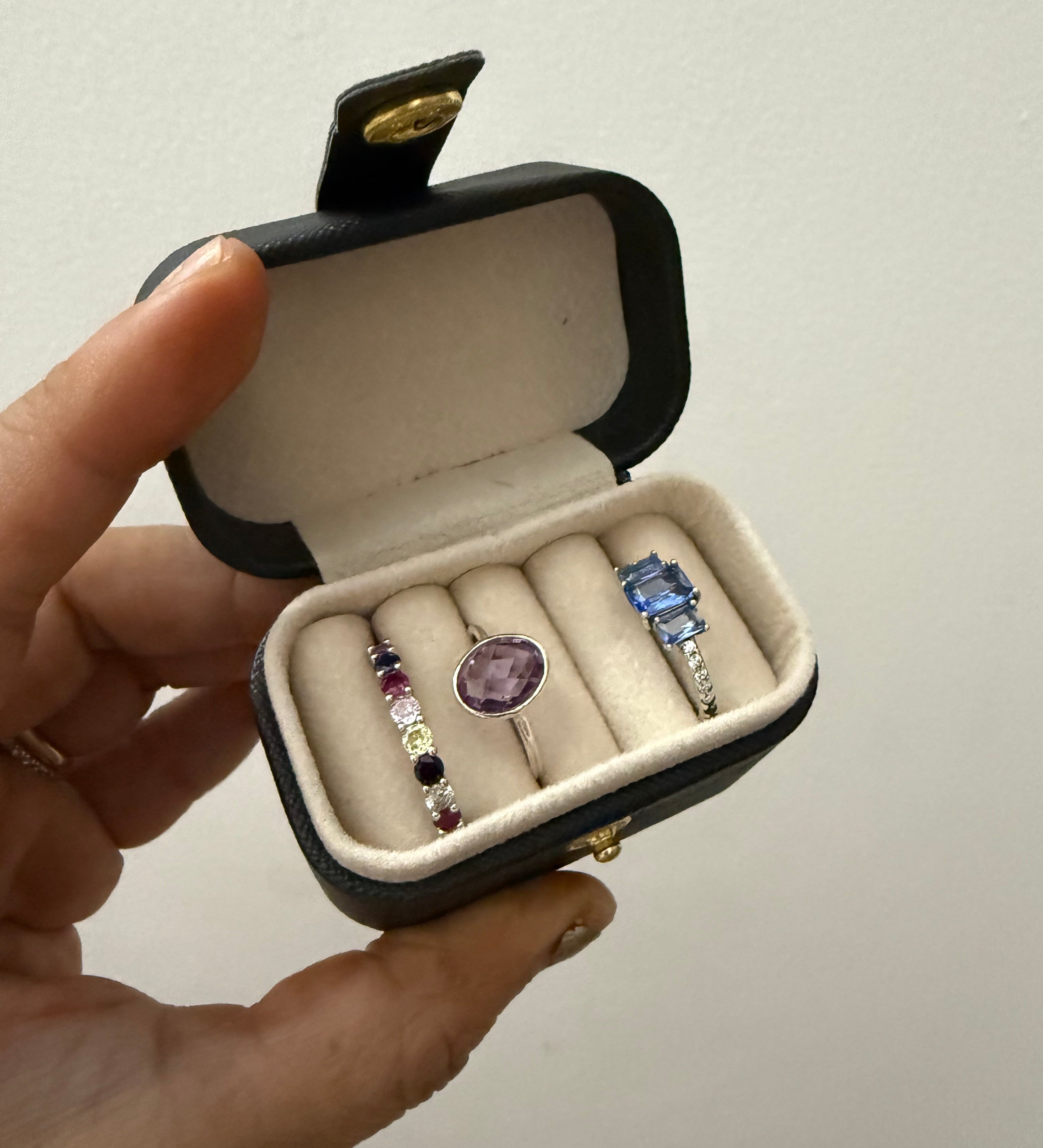
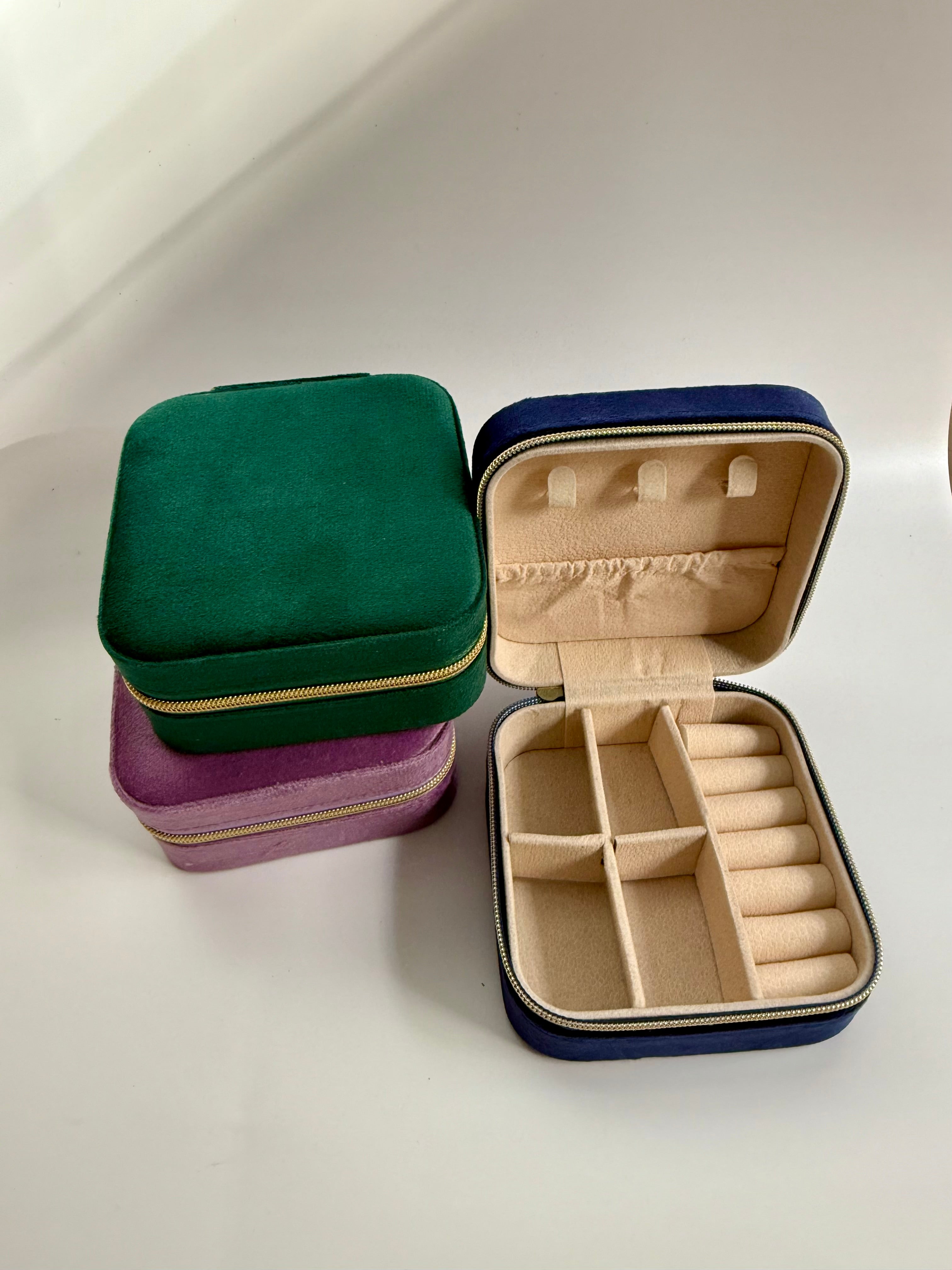

Jewellery stacking is the single biggest styling trend in India in 2026. Not the maximalist excess of festival jewellery, and not the blank minimalism of a single pendant. Something in between — and far more intentional. This is your complete guide to doing it right: the rules, the lengths, the gemstone combinations, and the specific Zitara pieces that make every stack work.
Ten years ago, the dominant jewellery styling philosophy in India was simple: one statement piece per occasion, everything else off. A heavy necklace meant no rings. Bangles meant no other bracelets. The logic was anti-clutter, anti-excess — a reaction against the over-jewelled aesthetic of traditional occasion wear.
That philosophy has completely reversed. In 2026, the most admired jewellery looks in India are stacked, layered, and intentionally accumulated. Not accumulated in the traditional sense — where every piece is gold and every piece has weight and occasion — but in the new sense: multiple lightweight pieces in 925 sterling silver, worn every day, telling a story through accumulation rather than single-statement domination.
Three forces have driven this shift. The first is affordability: with gold at ₹16,000 per gram, building a collection of gold pieces for daily stacking is simply not practical. Certified 925 sterling silver at ₹285 per gram makes a collection of six, eight, or ten stackable pieces financially accessible for the first time. The second force is aesthetic evolution: the "Cool Chrome" colour palette that has dominated global fashion since 2024 is built around silver tones, making 925 silver stacks the visually correct choice. The third force is self-expression: stacking is not decoration. Each piece in a considered stack carries meaning — a zodiac stone, a birthstone, a piece that was a gift, a piece that marks a personal milestone. The stack is a wearable autobiography.
Zitara by Kanak has built its entire collection around the stacking philosophy: every ring, necklace, and bangle is designed to work as a standalone piece and also as part of a larger curated look. All are certified 925 sterling silver, anti-tarnish, BIS hallmarked, and handcrafted in Jaipur.
Before exploring each jewellery category, three principles apply to every stacking decision you make — for rings, necklaces, bracelets, and ears. Internalise these and the specific rules in each section will make intuitive sense.
The single most common stacking mistake is mixing metals without intention. Stay within one metal family — 925 sterling silver — and vary everything else: width, texture, finish (matte vs polished), stone vs no stone, thick vs thin. This approach creates visual complexity and depth without the visual noise of competing metal tones. Once you are confident in stacking within one metal, introducing a single accent piece from another tone (rose gold, oxidised black silver) can add a sophisticated contrast — but begin with silver on silver.
Every great stack has three tiers: an anchor piece (the most substantial piece in the group that sets the tone), support pieces (complementary pieces that extend the anchor's story without competing with it), and an accent piece (one piece that introduces contrast or surprise — a different texture, a gemstone, or an unusual width). This three-tier structure prevents both the blandness of identical stacked bands and the chaos of too many statement pieces fighting for attention.
The most sophisticated stacks have a narrative coherence. A lunar energy stack (moonstone ring + dainty moonstone necklace + silver bangle) tells one story. A protection and strength stack (black onyx ring + eternity band + structured cuff) tells one story. When you mix stones from five different energy families without intention, the result reads as random rather than curated. Choose one theme — zodiac, healing intention, aesthetic palette, or occasion — and let every piece in the stack serve that theme.
Ring stacking is the most searched and most discussed jewellery trend in India in 2026. The principle is simple but the execution requires attention to width, placement, and stone selection. Here is everything you need to know.
If you are wearing multiple rings on one finger, arrange them in a width progression: your thinnest band at the base (closest to the palm), graduating to your widest or most substantial piece at the top. This creates an intentional visual ramp that reads as designed rather than accidental. Reversing the order — thick at the base, thin at top — creates an awkward, top-heavy look that does not photograph or wear well.
For rings spread across multiple fingers, vary the width by finger: your ring finger can carry the most substantial stack (two to three rings including a statement gemstone piece), your index and middle fingers carry single medium bands, and your pinky wears the most delicate piece of all.
A common beginner mistake is stacking everything on the dominant hand, leaving the other hand completely bare. This creates an imbalanced look and misses the opportunity for a more sophisticated overall composition. The correct approach: concentrate the primary stack on your dominant hand (three to four rings) and create a lighter, complementary secondary stack on the other hand (one to two rings). The secondary stack echoes the primary without competing with it.
In Vedic tradition, the left hand is the receiving hand and the right is the projecting hand. For healing gemstone stacks, wear your healing stone (moonstone, rose quartz, amethyst) on the left hand and your power stone (black onyx, turquoise) on the right.
The classic ring stack formula is: two plain bands + one gemstone ring. The plain bands frame and contextualise the gemstone piece, making it the clear focal point without overwhelming the stack. This is the minimum effective stack that always looks intentional. For a more elaborate stack: three plain bands (varying width/texture) + one gemstone ring + one textured or eternity band. This five-piece stack is a complete, sophisticated look for any occasion.
Zitara's ideal ring stacking combination from its current collection: the Dainty Moonstone Ring as the gemstone anchor, the Zircon Eternity Band as the brilliant support piece, and a thin plain 925 silver band as the base.
Not every finger needs a ring. Leaving some fingers bare makes the stacked fingers more visually impactful. The most effective configuration for everyday Indian women:
Necklace layering is the most architecturally demanding form of jewellery stacking because it requires understanding the geometry of the chest, the neckline of the garment, and the relationship between three or more pieces at different lengths. Get it right and it looks effortless. Get the lengths wrong and the necklaces tangle, overlap, or disappear into the neckline.
The foundation layer for any necklace stack. Works with V-necks, round necks, boat necks, and open necklines. In India: excellent with kurtas with high-cut or scoop necks, and western tops. Acts as the "ring" of the neck — thin and delicate is most versatile here.
The most universally flattering length for Indian women. Sits on or just below the collarbone. The ideal middle layer in a three-piece necklace stack. Works with almost every Indian neckline — from salwar suits to sarees to western formal. This is where your pendant necklaces live.
The longest everyday layering length. Creates the deepest visual line on the chest. Works best with V-necks and open necklines where it can fall freely. In Indian wear, this length works with salwar suits, anarkalis, and western formal tops. Use this as your statement pendant length — the birthstone necklace, the locket, the symbolic pendant.
The accent length — used sparingly when a very deep V-neck or open neckline calls for it. Also works as a single-length piece with casual wear when not stacking. Not recommended as part of an everyday three-layer stack — the length difference from the collar layer is too large to work consistently.
Each necklace in a layered look must be at least 2 inches (and ideally 3 inches) longer than the one above it. If they are too close in length, they visually merge into one confusing layer rather than reading as distinct, intentional elements of a composition.


