Cart
0
You may also like
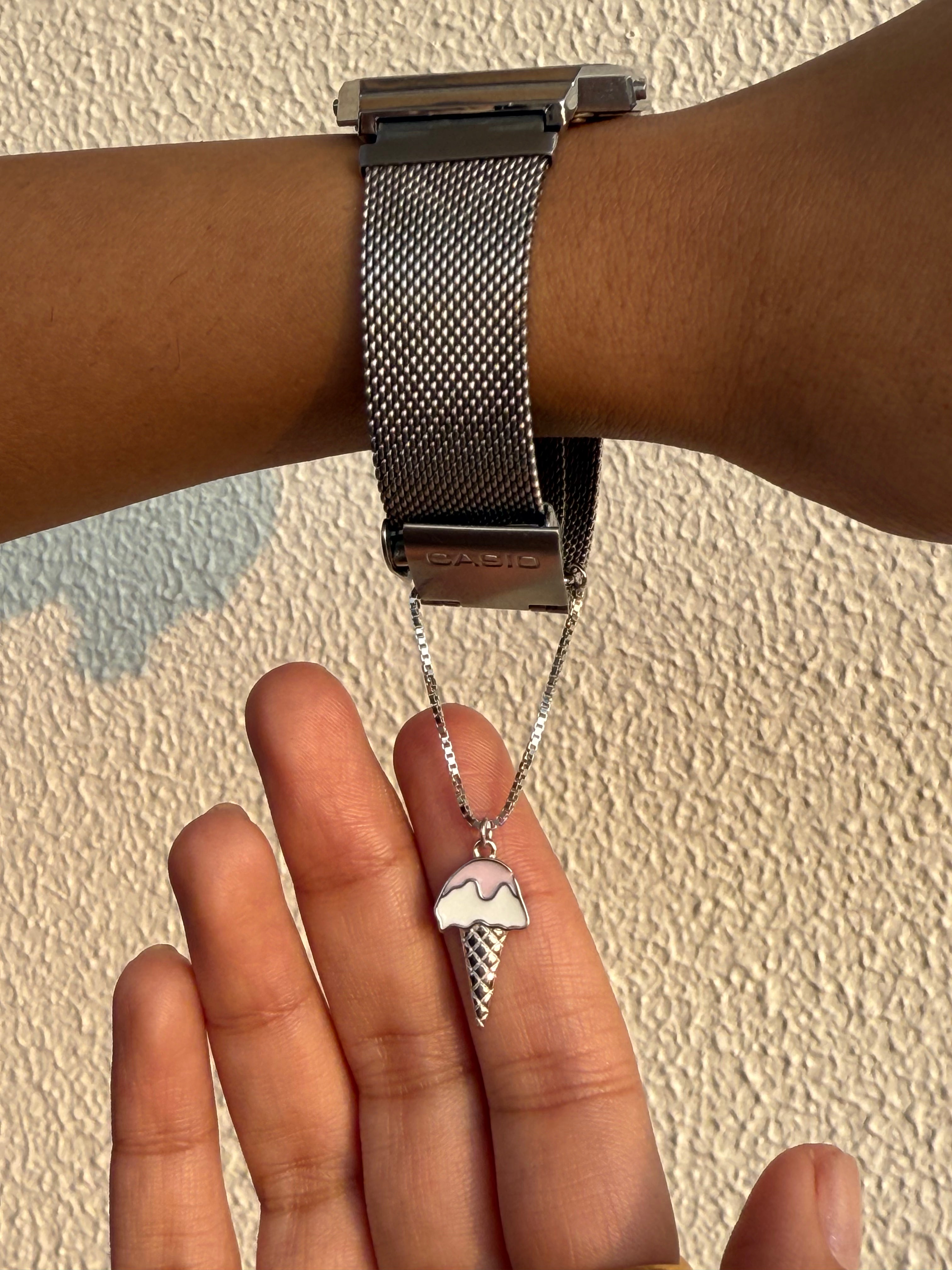
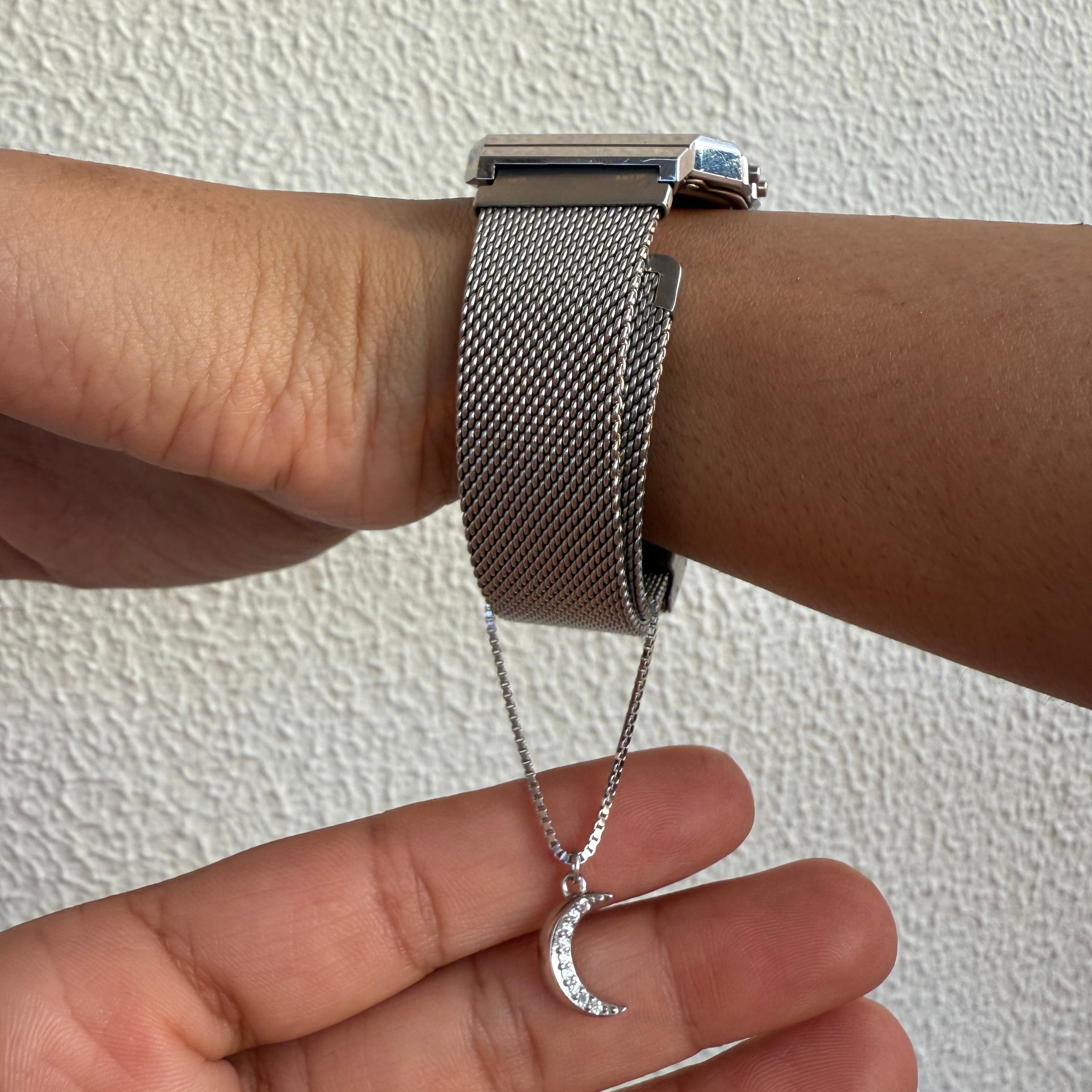
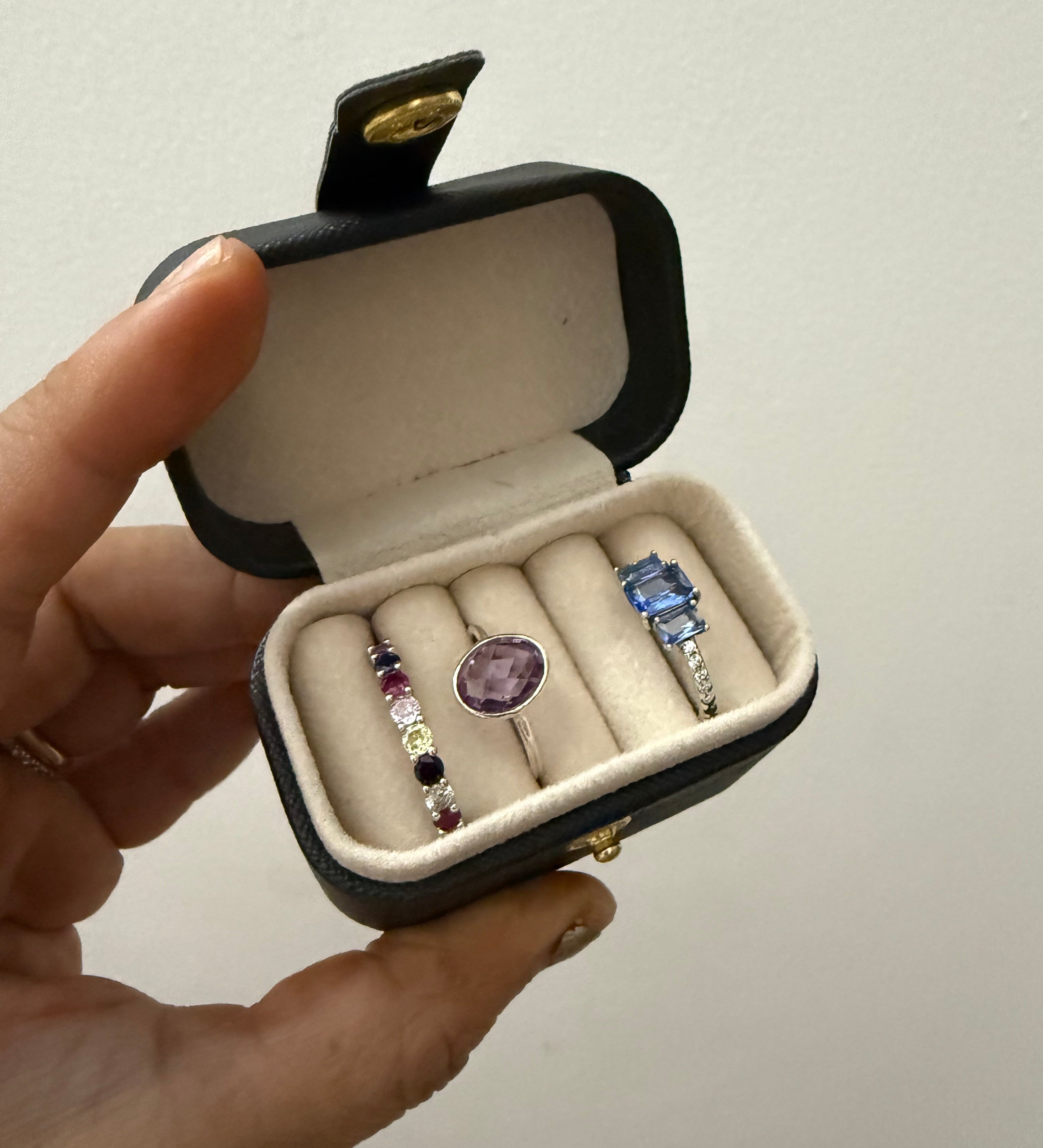

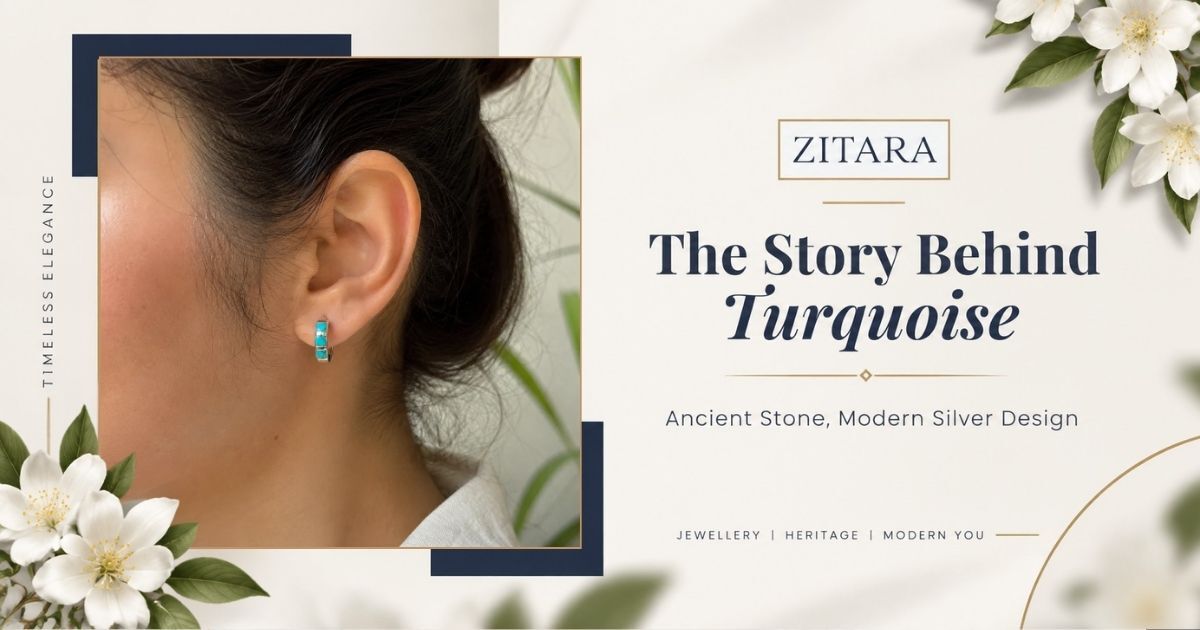
Few gemstones carry as much history as turquoise. Egyptian artisans wore it. Persian miners dug it out of the mountains. Navajo silversmiths built a whole visual language around it. And today it sits on stacked rings and dainty pendants worn to the office on a Tuesday.
What links all of those eras is the metal beside it. Turquoise jewellery silver pairings have lasted for centuries because the two materials flatter each other in a way gold rarely does. Here's where the stone came from, why silver suits it, and what to check before you buy.
Long before anyone typed turquoise jewellery silver into a search bar, people were trading this stone across continents. Egyptian craftsmen set it into jewellery and amulets thousands of years ago. The mines near Nishapur, in present-day Iran, produced the clear sky-blue stone that merchants carried into Asia and Europe.
The name is a travel record in itself. It comes from the French for "Turkish stone", because Europeans first bought it from Turkish traders rather than from the mines.
In India, you'll hear it called firoza. Mughal and Rajasthani jewellers worked it into court pieces, and it still turns up in traditional designs across Rajasthan.
Colour does most of the explaining. Turquoise ranges from robin's-egg blue to a greener shade, depending on how much copper and iron the stone holds. Silver's cool tone sits beside that blue without competing. Yellow gold, by contrast, pulls it towards green.
There's a practical reason too. Turquoise is soft, around 5 to 6 on the Mohs scale, so it needs a setting that shields its edges. Sterling silver shapes easily into bezels that wrap the stone snugly, which is why so much turquoise jewellery silver work relies on bezels rather than prongs.
Navajo and Zuni silversmiths in the American Southwest turned this pairing into an art form from the late 1800s. Modern designers borrow the same logic, with finer lines.
The bigger risk isn't overpaying. It's buying something that isn't turquoise at all. Dyed howlite and magnesite are common imitations, and they look convincing in product photos.
If you're shopping for a turquoise necklace in India, ask three questions. Is the stone natural, stabilised or reconstituted? Is the silver certified 925? Does the seller explain how to care for it?
Stabilised turquoise, hardened with resin, is common and perfectly wearable. It just needs to be described honestly.
A slim band with a single cabochon is the easiest way in. When you pick a turquoise ring, silver that wraps the stone in a full bezel protects its softer surface far better than claws. The stone is porous, so keep it away from hand cream, perfume and sanitiser. Take it off before swimming or washing up.
Turquoise near the collarbone brightens the face, especially against white, navy or earthy tones. A small pendant on a fine chain layers neatly with plain silver. It's also December's birthstone, which makes it a thoughtful gift.
Zitara is a sterling silver jewellery brand based in Jaipur, a city with a long gemstone trading history. Its turquoise collection is small and focused, set in certified 925 silver and part of a wider range of natural gemstone pieces. Each one comes with lifetime free polishing, which matters more than it sounds. Bright silver is what makes the blue stand out.
Turquoise has outlived empires, trade routes and every trend in between. Good turquoise jewellery silver pieces keep that history light enough to wear daily. Browse the turquoise designs at Zitara and choose the one that feels most like you.
1. Can I wear turquoise every day?
Yes, with a little care. Turquoise is softer than most gemstones, so remove it before gym sessions, swimming or cleaning. Keep perfume and lotions away from the stone, and store it separately so harder gems can't scratch or dull its surface.
2. How can I tell if turquoise is real?
Look for natural matrix lines that vary rather than repeat, and ask whether the stone is natural, stabilised or reconstituted. Dyed howlite shows colour pooling in its cracks. A reputable seller will describe any treatment clearly without needing to be asked twice.
3. Does turquoise change colour over time?
It can. Because turquoise is porous, skin oils, cosmetics and sunlight can gradually shift its shade towards green. Stabilised stones resist this far better. Wiping your piece with a soft, dry cloth after each wear slows the change considerably over the years.
4. Why is turquoise usually set in silver rather than gold?
Silver's cool tone keeps the blue looking clear, while yellow gold warms it towards green. Silver is also easier to shape into protective bezels for a soft stone, and it keeps the finished piece affordable enough for everyday wearing.
5. How should I clean a silver turquoise ring?
Wipe the silver with a polishing cloth and avoid rubbing the stone itself. Never use dip cleaners, ultrasonic machines or soaking, as these damage turquoise. For a deeper clean, Zitara offers lifetime free polishing on its silver jewellery pieces.


